
The Fundamentals of Acupuncture & Chinese Medicine
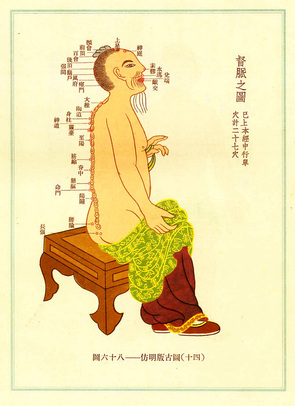
Acupuncture Essentials
Acupuncture encourages the body to heal naturally and to function better. It works by placing sterilized, stainless-steel needles—as thin as a human hair—into specific points near or on the skin's surface. These points can influence a range of biochemical and physiological conditions, helping to address many different illnesses.
Traditional Chinese Medicine sees each person as an energy system in which body and mind are unified, each continually influencing and balancing the other. Western medicine tends to isolate and separate a disease from the person, whereas Chinese Medicine takes a holistic approach that treats the whole individual.
Your practitioner will reach a Chinese medical diagnosis after a thorough examination and consultation. The exam includes assessing the pulse and tongue. Once a diagnosis is established, your acupuncturist will select the most suitable acupuncture points for treatment.
Qi — The foundation of Oriental medicine is the belief that a life energy, called "Qi" (pronounced chee), flows through the body. This energy travels along channels known as meridians that connect all of our major organs. In Chinese medical theory, illness occurs when the cyclical flow of Qi in the meridians becomes unbalanced or blocked.
Acupuncture points are areas of designated electrical sensitivity that have proven effective in treating specific health problems. The Chinese have mapped these points over a period of more than 2000 years.
https://www.acufinder.com/acupuncture.html
By: Diane Joswick, L.Ac., MSOM
How does acupuncture work?
What conditions can acupuncture treat?
How many sessions will I need?
Is acupuncture painful?
How deep are the needles inserted?
How should I choose an acupuncturist?
What do the initials after an acupuncturist's name mean?
What is the cost of an acupuncture treatment?
What other techniques are used besides needle insertion?
What are the different styles of acupuncture?
Are there any risks or side effects?
What is the history of acupuncture and Asian Medicine?
Traditional Chinese Herbal Medicine
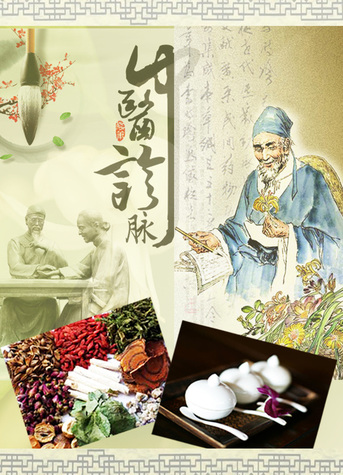
Traditional Chinese Herbal Medicine consists of 5,767 substances derived from plant, animal, and mineral sources. The use of these substances can be traced back to 1,000 BC. Over the past 3000 years, an incredibly rich and powerful system has medicine has been created. During this time, classical herbal formulas that are effective for many health concerns have been developed. The herbs are available in the form of herbal teas, liquid extracts, tablets, capsules, granules, lotions, creams, salves, or poultices.
What is a Chinese Herbal Formula?
What is the difference between Western Herbs and Chinese Herbs?
How safe are Chinese Herbs?
How are Chinese herbs taken?
https://www.acufinder.com/acupuncture.html
By: Diane Joswick, L.Ac., MSOM
What is a Chinese Herbal Formula?
What is the difference between Western Herbs and Chinese Herbs?
How safe are Chinese Herbs?
How are Chinese herbs taken?
https://www.acufinder.com/acupuncture.html
By: Diane Joswick, L.Ac., MSOM
Home About Us Services FAQs Contact Us Gift Certificate Price, Coupon Clinic Gallery Why Us?
Copyright © 2012 Jason acupuncture clinic. All rights reserved.
Web Design:
Copyright © 2012 Jason acupuncture clinic. All rights reserved.
Web Design: